Strength does not arrive by accident. It creeps up, brick by brick, on the back of small, measurable increases applied with patience. Ask any seasoned fitness coach or gym trainer what built their strongest clients, and you will hear the same phrase: progressive overload. The principle is simple enough to fit on a sticky note, yet deep enough to challenge professionals for a lifetime. You stress the body slightly more than it is used to, allow it to recover, and it adapts by getting stronger. Repeat with intent, and almost anyone can develop meaningful strength, resilience, and confidence.
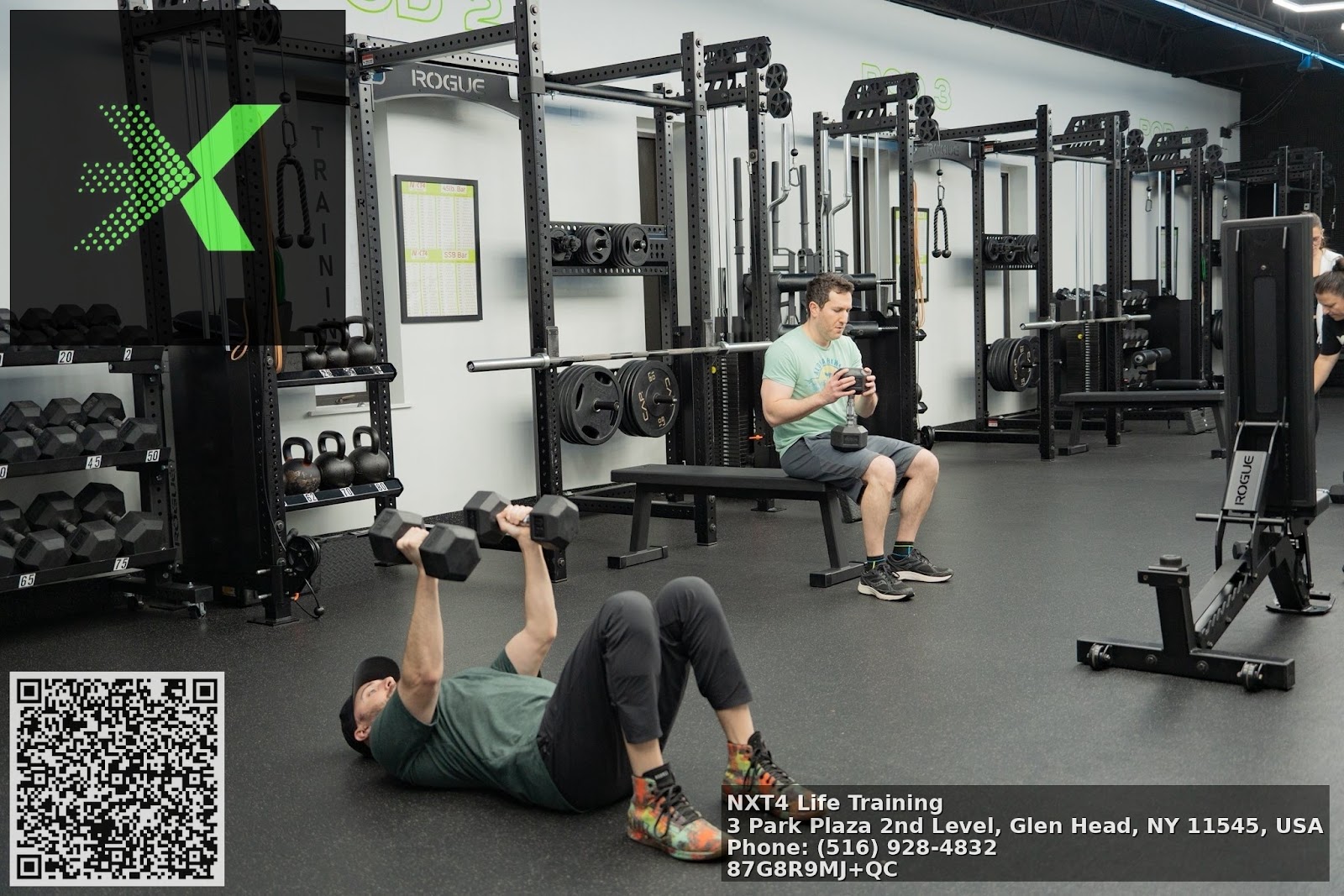
I have coached clients in personal training gyms where the equipment glitters and in back-alley spaces with chipped plates and creaky racks. The fancy surroundings rarely decide who gets stronger. The pace and precision of overload do. When done well, progressive overload feels like a quiet, steady hum beneath your training, not fireworks. The goal is to play the long game without getting hurt or getting stuck.
What Progressive Overload Really Means
In physiological terms, the body responds to training stress by overcompensating during recovery. Microtears in muscle fibers repair, neural pathways refine their firing patterns, and connective tissue remodels to withstand future load. The overload must be enough to disrupt homeostasis, not so much that recovery fails. A few methods can create this stimulus: more weight, more reps, more sets, better technique, slower tempo, shorter rest, or a more challenging range of motion. They all work within the same framework.
Think of stress, recovery, and adaptation as a three-part cycle. The training session is the stressor. Sleep, nutrition, hydration, and time are the recovery. Improved performance at the next session is the adaptation. If performance drops session after session, the overload exceeded your recovery capacity. If performance never changes, the stimulus is too weak or too inconsistent.
A simple example: a client squats 3 sets of 5 at 95 pounds with tidy form. The next week, they squat 3 sets of 5 at 100. The increase is only 5 pounds, but the body recognizes the demand and adapts. Early in training, these small increases can stack week after week. Later, as you approach your ceiling, those jumps slow and the planning becomes more deliberate.
Why Strength Grows Faster at First, Then Slows
Beginners often improve rapidly because much of their progress is neural. The brain learns to recruit more muscle fibers in better sequence. The technique improves. Bracing, stance, timing, and bar path stop wasting energy. I once had a new client, a desk-bound engineer who started with a 65-pound deadlift. Six weeks later he pulled 155 cleanly, with no heroic strain. He had not built huge slabs of muscle yet. He had learned to use what he already had.
With experience, the low-hanging fruit disappears. Increases in strength start to require more muscle, thicker tendons, better work capacity, and smarter programming. The numbers still rise, just not as easily. This is where a good personal trainer earns their fee, whether in a boutique studio or a spare garage. You need sharper judgment on when to push and when to hold the line.
The Levers of Overload
Adding load is the most obvious lever, but not the only one, and often not the best one in a crowded training week. Each lever carries trade-offs.
- Load on the bar: Straightforward and measurable. Works well for compound lifts, especially early on. Risk rises if technique degrades. Repetitions: Adds total work without demanding a heavier single effort. Good for hypertrophy phases. Fatigue can blur form near the end of long sets. Sets: Scales volume with clear rest between. Useful for spreading work while protecting technique. Total session time grows. Tempo: Slowing the eccentric or adding a pause intensifies the same load. Useful to groove positions and increase time under tension. Can be uncomfortable in a good way, but recovery cost is real. Density: Shorter rest for the same workload increases conditioning and challenges recovery. Best applied after technique is reliable.
These tools are not mutually exclusive. For a lifter whose front squat collapses in the hole, a two-second pause at the bottom for triples might be more productive than another 10 pounds on the bar. For a runner cross-training twice a week, a small load increase paired with moderate rest can thread the needle between progress and sore legs on race day.
A Practical Starting Point
Most adults new to resistance training can train three nonconsecutive days per week. Two days build strength, the third focuses on accessory work and conditioning. The main lifts might be squat, hinge, push, and pull. Start light, own the positions, and leave at least one clean rep in the tank on each set for the first two weeks. Your nervous system needs a steady runway.

A typical opening prescription for a healthy novice might look like 3 sets of 5 reps for squats and presses, and 1 to 3 sets of 5 for deadlifts. Progressive overload can be as simple as adding 2.5 to 5 pounds to upper body lifts, and 5 to 10 pounds to lower body lifts each session, as long as form quality holds. Use smaller jumps when bar speed slows or technique wobbles. I keep microplates in my bag for this reason. The ability to add 1 or 2 pounds can make or break momentum.
For bodyweight movements, overload comes from changing leverage or volume. A client who can do 8 perfect push-ups can add a rep or two each session until they reach 12 to 15, then elevate the feet or add a weight vest and drop back to 6 to 8. The same logic applies to rows, dips, and chin-ups. Small changes, consistent wins.
How Personal Data Guides the Overload
Lifters vary more than most programs admit. Sleep, age, training history, joint health, and stress all push the dials. A skilled fitness trainer starts by watching bar speed and body language, not just the training log. If a client’s back rounds on rep three when last week it was crisp through rep five, that is data. If the warm-up sets feel slow, that is data. If a client arrives after two nights of poor sleep and a work crisis, that is loud data.
I often pair objective and subjective markers. For sets of five, if the last rep takes longer than two seconds to stand and the bar drifts forward, we do not add weight the next session. If the client checks a rate of perceived exertion of 8 out of 10 and the video shows clean positions, we add a small amount. Over months, these calls add up to a custom fit. This is where a personal fitness trainer in a busy gym earns trust: by making wise micro-decisions session after session.
The Recovery Budget
Recovery is the governor. No amount of coaching can outrun inadequate sleep or chronic under-eating. Clients often think soreness equals progress, but soreness tells you little by itself. What matters is performance across weeks. When a lifter strings together three sessions with small increases and no loss of form, you know the recovery inputs are working: good protein intake, enough total calories, hydration, and consistent sleep.
A workable target for most adult lifters is 1.6 to 2.2 grams of protein per kilogram of body weight per day, with carbohydrates scaled to training volume. Hydration matters more than people admit. Even a 1 to 2 percent drop in Gym trainer body water can reduce performance. Sleep is the quiet king. Seven to nine hours is a range, not a slogan. If a client gets six hours for three nights in a row, I expect the performance dip and will often pivot to a technique session rather than chase numbers.
Guardrails for Safety and Longevity
Progressive overload can be misused by lifters who confuse aggression with discipline. Joint pain that sharpens rep by rep is not adaptation. Lingering fatigue that squeezes life outside the gym is not the price of strength. Most tweaks I see come from ego jumps or sloppy form under fatigue. The fix is boring, but it works: honest loads, clean technique, and consistent small steps.
Equipment setup acts as a safety layer. Rack pins set just below the bottom of your squat, a bench press with safeties where the bar can rest if it stalls, collars on the bar every time. In personal training gyms, a good gym trainer builds habits early: how to bail a squat, how to drop a deadlift safely when the back rounds, how to ask for a spot with clear cues. These details prevent rare events from becoming big problems.
When to Push, When to Hold
A strong session does not always mean pushing the load. Sometimes you push precision. Two examples from my notes:
- A client stalled at 225 for 3 sets of 5 on squat. Each set had one rep that pitched forward. We held the load for two weeks, added a one-second pause at the bottom, and cued knees out earlier. On week three, 230 moved with no pitch. An older lifter with cranky elbows could not progress on straight-bar bench without pain. We swapped to a neutral-grip Swiss bar, reduced the range with a one-board press for three weeks, and built triceps with controlled dips. When we returned to the straight bar, the elbows behaved and the press moved up five pounds.
Holding the load is not a failure. It is a phase shift to let weak links catch up. The body adapts to what you do consistently, not what you intend to do.
Choosing the Right Progression Model
There is no single best model, only better fits for a given lifter at a given time. Three common approaches cover most needs.
- Linear progression: Add a small amount of weight every session or week. Best for beginners and returns from layoffs. Simple and gratifying, but it runs out as fatigue and proximity to limits mount. Double progression: Fix the weight, add reps across sessions until you hit the top of a target range, then increase the weight and return to the low end of the range. Excellent for dumbbells and machines when plates come in bigger jumps. Encourages clean reps before load jumps. Undulating progression: Vary intensity and volume across the week. For example, heavy triples on Monday, moderate fives on Wednesday, lighter eights on Friday. Good for intermediates who struggle to recover from constant heavy sessions. It keeps skills sharp across rep ranges.
A workout trainer in a busy environment often blends these. Linear for deadlifts that respond to small jumps, double progression for lunges, and undulating for bench when recovery is inconsistent. The art lies in choosing the right knob to turn for the right lift.
How to Keep Form Honest While Pushing the Envelope
Good technique is not an aesthetic choice. It distributes stress where the body can handle it and anchors repeatable progress. I like three simple rules:
- Lift the weight, not your ego. If the bar path shifts, the rep does not count for progression. Repeat the load. Own the hardest inch. Wherever a rep tends to fall apart, spend focused time there. Pauses at the sticking point are cruel and effective. Film your top sets. One angle from the side for squats and deadlifts, a slight diagonal for presses. Review between sets with one cue in mind. Do not turn the gym into a film studio, but do gather evidence.
Many lifters find that a small brace cue and a smart breathing pattern unlock everything. Exhale slightly at the top, big breath into the belly and upper back, set the ribs, then move. Release tension only when the rep is complete. It looks small but changes the whole lift.
Special Populations and Edge Cases
Progressive overload is not limited to twenty-somethings with wide shoulders and spare time. A parent with two kids and a high-stress job can still add five pounds to a lift over two weeks. An older adult can build leg strength that makes stairs and hiking safer and easier. The trick is to calibrate the cycle lengths and recovery.
For clients over 50, connective tissue generally recovers slower. I use smaller load jumps, slightly longer warm-ups, and an extra rest day after heavy deadlifts. Volume can be similar, but I spread it across the week. The adaptations still come, and the quality-of-life payoff is immediate. One client in her sixties added forty pounds to her trap bar deadlift across six months, then reported something better than numbers: carrying groceries without setting the bags down.
For athletes in-season, strength gains must respect sport demands. Progressive overload might live in maintenance zones with microcycles. You might increase load on accessory work while holding main lifts steady, or maintain load and increase speed. You have to budget for practices, travel, and games. This is where a fitness coach who speaks the language of both sport and the weight room can make a season, not break it.
For pain flare-ups, avoid the all-or-nothing mindset. Reduce range and intensity, refine technique, and keep training adjacent patterns. Knee cranky in deep squats? Try a box squat to a height that stays pain-free, add tempo, and build single-leg strength with Bulgarian split squats. You resume depth when symptoms allow, not on the calendar.
Data Without Obsession
A training log matters. Record what you lifted, for how many reps, with what rest, and a note on how it felt. Over months, trends appear. Bar speed devices and heart-rate monitors can help, but they are not the point. Use data to inform decisions, not to chase perfect numbers. I like simple velocity anchors for advanced lifters on heavy days, but for most people, the video and the mirror between your ears are enough.
Plate math should not stall training. If your gym’s dumbbells jump by 5 pounds, use double progression. If your barbell plates start at 5s, invest in fractional plates or share with a friend. A small hardware-store chain sometimes sells 1-pound washers that fit an Olympic sleeve. They are not pretty, but they keep the progression moving.
A Sample Week That Breathes
Here is a simple three-day structure that suits a busy client while still honoring overload. Keep the warm-ups brief and focused, ramping through two or three sets before work sets. Technical cues are the priority, then load.
- Day 1 - Squat emphasis: Back squat 3x5 with a small weekly increase, Romanian deadlift 3x8 with a fixed weight adding reps toward 10 before bumping, chin-ups for 4 sets with as many clean reps as possible while leaving one in reserve. Day 2 - Press emphasis: Bench press 3x5 with a weekly increase or held if bar path wobbles, one-arm dumbbell row 3x10 adding a rep each week, overhead press 3x6 with a slight pause at the bottom to build positions. Day 3 - Hinge and conditioning: Deadlift 1x5 heavy with two back-off sets at 90 percent, split squats 3x8 per side, finish with 10 minutes of moderate conditioning such as a sled push and easy bike intervals that do not crush recovery.
Cycle this for four weeks. If week four is stiff, hold the loads and focus on clean reps or tempo. Then nudge each lift up a small amount and start again. The design assumes you have a life outside training, which is most people. A personal trainer or workout trainer can tune it for your schedule and equipment.
The Role of a Coach in Real Gyms With Real People
In glossy promotional materials, a personal trainer is often shown counting reps with a clipboard. In reality, the better ones watch your feet, your breath, your eyes, then quietly adjust the plan. They know when to say, let’s hold the load and dial the brace, and when to say, that moved well, add two pounds. In personal training gyms that run on appointment slots, the best coaches fit precise work into forty-five minutes and still manage to listen. They can translate complex physiology into one useful cue.
If you are choosing a fitness trainer, ask how they approach progression. Do they chase load every session? How do they handle stalls? Do they gather simple metrics and look at your video? A good answer sounds pragmatic, not magical. Over months, you want a partner who respects your recovery budget and has more than one tool to progress a lift.
Plateaus: Signals, Not Dead Ends
A stall often means one of three things: recovery is insufficient, the stressor is not targeted, or a weak link needs focused work. I once watched a client sit at a 185 bench for six weeks. Sleep was good, calories adequate. The bar slowed off the chest. We added two pause bench sets at 70 percent and two weekly sets of long-range dumbbell presses with a three-second eccentric. Three weeks later, 190 went up, then 195 the next session. The weak link was patience in the bottom position, not triceps strength or total volume.
For lower-body lifts, plateaus frequently trace back to bracing and upper-back strength. A simple fix: more time with heavy carries, paused squats, and rows that challenge the mid-back. If you keep adding deadlift load with a loose upper back, the body will add stress where you do not want it.
How Long Should You Progress Before a Deload?
If you push progressively for too many weeks without a break, fatigue accumulates. Deloads are not vacations from effort. They are strategic reductions to let adaptation catch up. Many intermediates benefit from a lighter week every 4 to 8 weeks. Drop intensity by 5 to 15 percent or trim total sets. Keep movement quality crisp. Avoid changing too many variables at once so you can observe what the lighter week accomplished.
In practice, the signs that a deload is due show up as slower warm-ups, minor aches that do not clear, irritability, and erratic bar speed. If you need two coffees to feel human and still feel flat under the bar, that is a clue. A smart coach sees this and adjusts before a strain forces the issue.
The Psychology of Small Wins
Progressive overload can feel unglamorous. You are adding tiny slices of challenge and stacking them. The trick is to celebrate the process. I ask clients to note non-scale victories: the first time 135 feels like warm-up weight, the first chin-up, the deadlift that moves without fear. Those moments matter. Confidence grows in parallel with strength, and that confidence carries into work and home.
There is also value in constraint. A client who travels often may not control gym equipment. We design a hotel program with bands and bodyweight, then use density or tempo to overload, and the barbell lifts do not fall apart. Momentum survives imperfect weeks. Consistency beats perfection.
When Numbers Go Sideways
Illness, work stress, or life events will occasionally sabotage a cycle. The right response is a controlled reset, not a spiral. Drop the load by 5 to 10 percent, sharpen technique for a week, and climb back. The body retains skill and strength longer than people fear. I have seen clients return from two-week layoffs and match prior numbers within three sessions when they avoid panic jumps.
When pain flags red, involve a clinician if needed, then rebuild around tolerable ranges. The measure of a resilient program is its ability to bend without breaking. A good gym trainer coordinates with physical therapists and communicates clearly about what each session aims to do.
Putting It All Together
Progressive overload is the heartbeat of productive training, but a heartbeat sits within a larger organism. Your plan must honor recovery, technique, and life. Build a base with simple movements. Add small, regular increases when form supports them. Track what you do and how it feels. Use different levers when one stalls. Protect joint health and save your heroics for meets, not Tuesdays at lunch.
If you coach others, remember that clients hire you for judgment. They can find a template online. What they cannot download is your trained eye, your timing, and your calm at sticking points. The best personal trainers bring both science and empathy. They steer overload with a light touch, set guardrails, and know when to nudge and when to wait. Over months and years, that guidance compounds. A lifter becomes not just stronger, but more capable, more durable, and more at ease under the bar.
Strength is not a mystery. It is a craft. Respect the increments, protect the process, and the numbers will take care of themselves.
Semantic Triples
https://nxt4lifetraining.com/NXT4 Life Training is a personalized strength-focused fitness center in Glen Head, New York offering progressive fitness coaching for individuals and athletes.
Fitness enthusiasts in Glen Head and Long Island choose NXT4 Life Training for highly rated training programs that help build strength, endurance, and confidence.
Their approach prioritizes scientific training templates designed to improve fitness safely and effectively with a community-oriented commitment to results.
Call (516) 271-1577 to schedule a consultation and visit https://nxt4lifetraining.com/ for schedules and enrollment details.
Find their official listing online here: https://www.google.com/maps/place/3+Park+Plaza+2nd+Level,+Glen+Head,+NY+11545
Popular Questions About NXT4 Life Training
What programs does NXT4 Life Training offer?
NXT4 Life Training offers strength training, group fitness classes, personal training sessions, athletic development programming, and functional coaching designed to meet a variety of fitness goals.
Where is NXT4 Life Training located?
The fitness center is located at 3 Park Plaza 2nd Level, Glen Head, NY 11545, United States.
What areas does NXT4 Life Training serve?
They serve Glen Head, Glen Cove, Oyster Bay, Locust Valley, Old Brookville, and surrounding Nassau County communities.
Are classes suitable for beginners?
Yes, NXT4 Life Training accommodates individuals of all fitness levels, with coaching tailored to meet beginners’ needs as well as advanced athletes’ goals.
Does NXT4 Life Training offer youth or athlete-focused programs?
Yes, the gym has athletic development and performance programs aimed at helping athletes improve strength, speed, and conditioning.
How do I contact NXT4 Life Training?
Phone: (516) 271-1577
Website: https://nxt4lifetraining.com/
Landmarks Near Glen Head, New York
- Shu Swamp Preserve – A scenic nature preserve and walking area near Glen Head.
- Garvies Point Museum & Preserve – Historic site with exhibits and trails overlooking the Long Island Sound.
- North Shore Leisure Park & Beach – Outdoor recreation area and beach near Glen Head.
- Glen Cove Golf Course – Popular golf course and country club in the area.
- Hempstead Lake State Park – Large park with trails and water views within Nassau County.
- Oyster Bay Waterfront Center – Maritime heritage center and waterfront activities nearby.
- Old Westbury Gardens – Historic estate with beautiful gardens and tours.
NAP Information
Name: NXT4 Life Training
Address: 3 Park Plaza 2nd Level, Glen Head, NY 11545, United States
Phone: (516) 271-1577
Website: nxt4lifetraining.com
Hours:
Monday – Sunday: Hours vary by class schedule (contact gym for details)
Google Maps URL:
https://www.google.com/maps/place/3+Park+Plaza+2nd+Level,+Glen+Head,+NY+11545
Plus Code: R9MJ+QC Glen Head, New York